
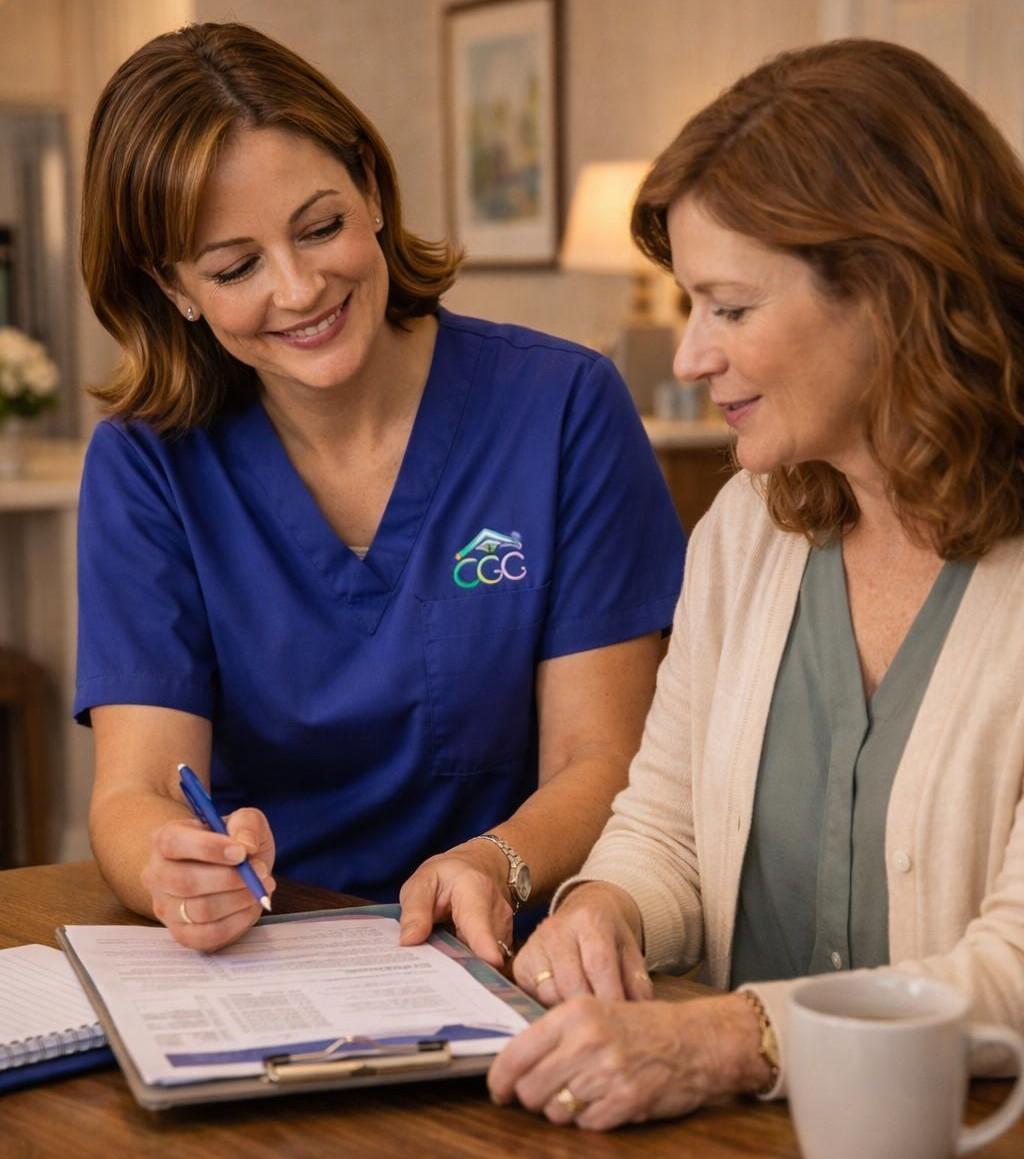
Non-medical senior care fills a crucial gap in the care continuum. Unlike skilled nursing facilities that provide clinical medical treatment, non-medical care homes focus on helping residents with the activities of daily living while maintaining their independence, dignity, and quality of life.
The core of non-medical care includes assistance with bathing, grooming, dressing, and toileting. Caregivers also help with medication reminders (not administration), meal preparation, light housekeeping, and transportation to appointments. This level of support is ideal for seniors who don't require constant medical attention but can no longer safely manage all aspects of daily life independently.
One of the biggest advantages of non-medical group home care is the home-like environment. Residents live in actual residential homes within neighborhoods, not clinical facilities. This setting promotes normalcy, reduces anxiety, and helps seniors maintain their sense of identity and belonging.
Socialization is another key benefit. In a group home, residents form genuine bonds with housemates and caregivers, sharing meals, activities, and daily life. This community aspect significantly reduces the isolation and loneliness that many seniors experience when aging at home alone.
Family members often find that non-medical care provides the perfect balance — professional support when needed, without the clinical atmosphere or high costs associated with skilled nursing facilities. It's a solution built around dignity, comfort, and person-centered attention.